Lancaster · Southern Dallas County · 75134 / 75146
Pest Control in Lancaster, TX
Termites through a cracked slab. Fire ant mounds after every rain. Roof rats down the tree line. Call and connect with an experienced local exterminator who knows southern Dallas County ground.
Lancaster & nearbyDeSoto · Cedar Hill · Duncanville · Red Oak
Open 7 daysMon–Fri 7a–8p · Sat–Sun 8a–6p
Homes & businessesSlab homes, rentals, warehouses
Why pests lose here
Local ground, local plan
Three problems define pest control in Lancaster. Each has a specific fix, and none of them is a can of spray.
Termites & the slab
The clay moves. Your slab cracks. Termites walk in.
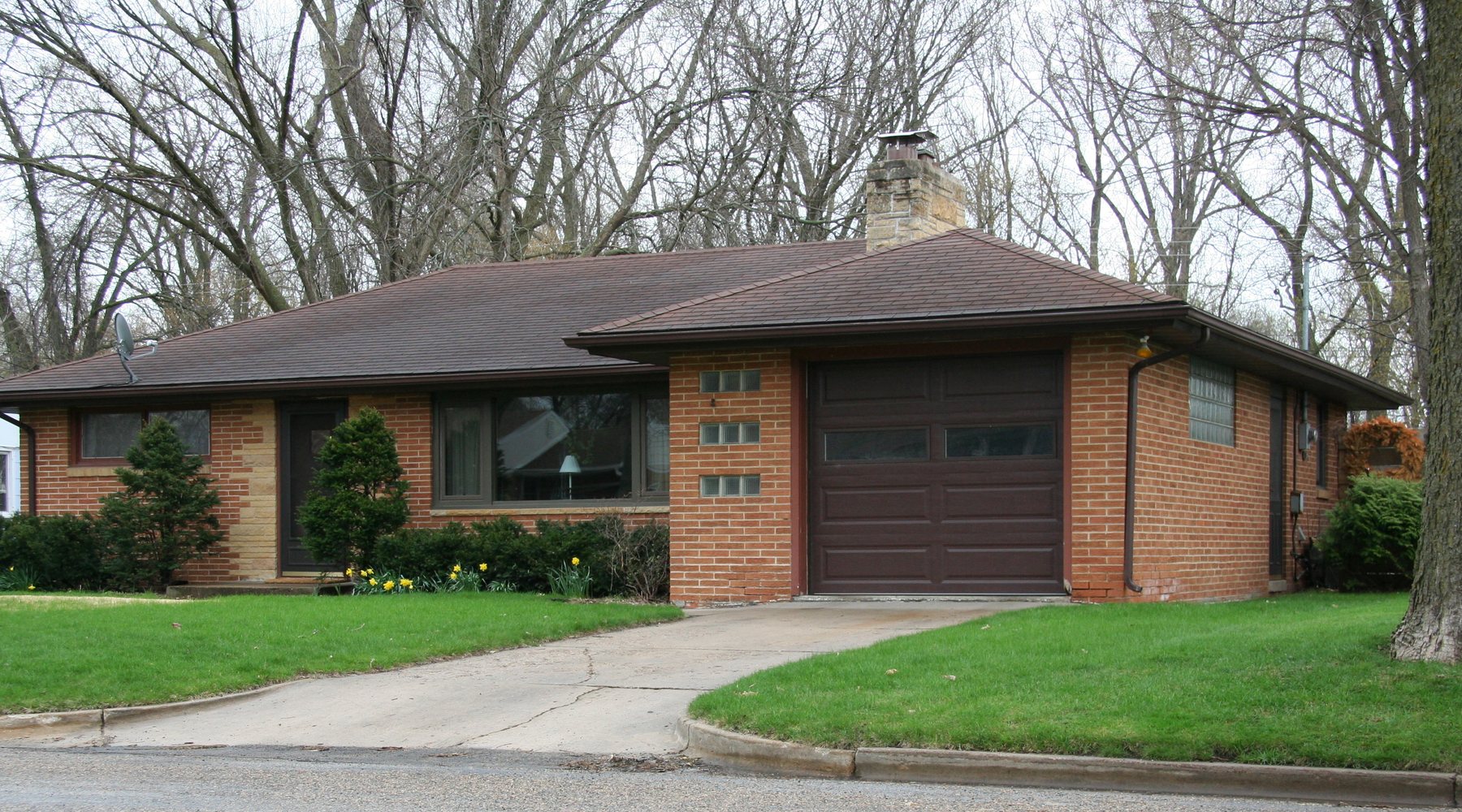
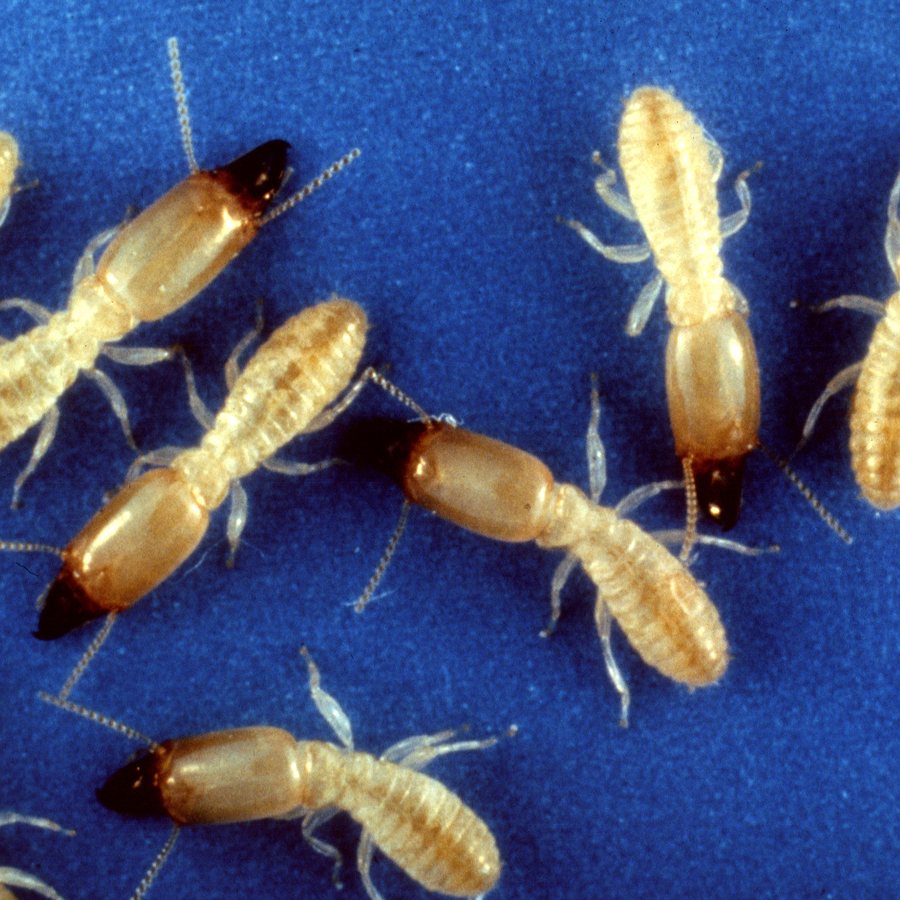
Lancaster sits on blackland prairie clay that swells with rain and shrinks in a Texas summer. Slab-on-grade foundations crack, expansion joints separate, and subterranean termites living in that same soil only need the gap. A local exterminator inspects the perimeter and lays a continuous treated barrier.
Mounds erupt after every rain, and drenching one makes four.
Red imported fire ants love open sunny turf and heavy clay. Rain floods the galleries and workers push the mound up overnight. Disturb a colony and it buds into several. Slow-acting broadcast bait that foragers carry to the queens is what actually reduces them.
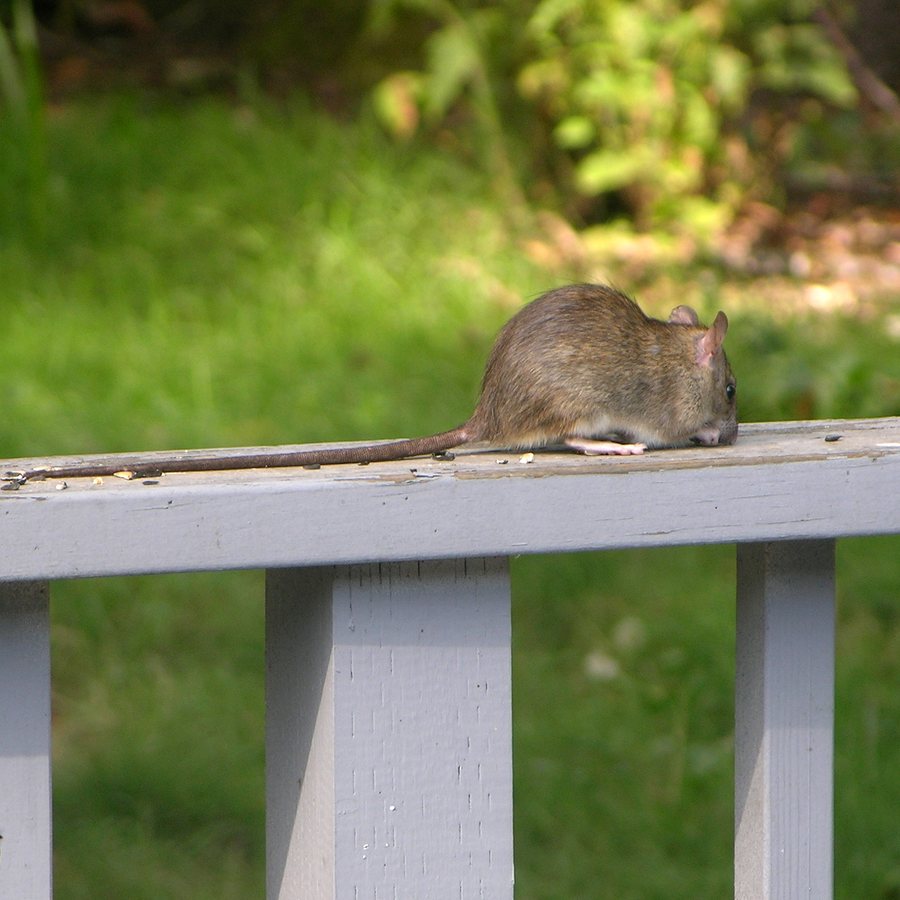
Roof rats travel fence tops, limbs, and utility lines out of the creek corridors into attics, entering at a soffit gap or a sun-cracked plumbing stack boot. Trapping alone leaves the route open. Trapping plus exclusion, and cutting the canopy back, is what holds.
A local pro walks the slab perimeter, expansion joints, weep holes, plumbing penetrations, attic and roofline, garage, and yard. Lancaster problems usually start at the foundation or the tree line, so that's where the inspection starts.
02Resolve
Treatment matches the pest. Slow-acting bait for fire ants and German roaches. Trapping for roof rats. A continuous termiticide barrier for subterranean termites. Harborage treatment for widows and bark scorpions. Not one spray for everything.
03Prevent
Entry points get sealed: slab cracks, weep holes, door sweeps, roofline and vent gaps. Mulch comes back off the foundation, limbs come off the roof, standing water goes. The pests lose the route and the reason.
04Maintain
North Texas barely gets a winter, so pressure returns. Scheduled visits refresh the exterior barrier, re-check breeding sites and monitors, and catch a new ant trail or rodent sign before it becomes an infestation.
What you get
Pest control built for this city
Inspection first
The slab perimeter, joints, weep holes, roofline, and yard get looked at before anything gets treated. The property tells you where the pests are coming from.
Slab-home specific
Cracked slabs and separated expansion joints are the default in southern Dallas County. Treatment accounts for them instead of pretending the concrete is a barrier.
Colony-level treatment
Bait that foragers carry home for fire ants and German roaches. Trapping for roof rats. Harborage treatment for widows and scorpions. Not a repellent that scatters them.
Entry points sealed
Weep holes, door sweeps, slab cracks, stack boots, soffit and gable vents. Sealing the route is what turns a treatment into a result.
Moisture corrected
Irrigation off the foundation, mulch pulled back, gutters cleared, standing water drained. Termites, roaches, and mosquitoes all follow the water.
Year-round coverage
North Texas barely gets a freeze, so populations never reset. Recurring visits refresh the barrier and catch new activity before it becomes an infestation.
Compare
Why the store-bought fix keeps failing
Lancaster's clay keeps opening cracks and the season barely stops. Here is how the three common approaches actually hold up.
What it takes
DIY spray
One-time treatment
Local pro plan
Finds the source, not just the pest
✕
✕
✓
Reaches the colony or harborage
✕
✓
✓
Seals slab cracks, weep holes, and entry points
✕
✕
✓
Handles subterranean termites in a slab
✕
✕
✓
Keeps working through the long Texas season
✕
✕
✓
Adjusts as pest pressure changes
✕
✕
✓
Four-zone defense
Pests get stopped before the front door
A Lancaster home is defended in layers, starting at the fence line and ending inside. Skip a zone and the pests use it.
1
The yard line
Fire ant mounds, mosquito breeding water, mulch and stone beds sheltering bark scorpions, and the tree line roof rats travel. Treatment and cleanup start out here, before anything reaches the house.
2
The slab perimeter
The band of soil against the foundation. Where subterranean termites make contact, where American roaches gather, where the barrier goes. Irrigation, mulch, and drainage against the slab all get corrected here.
3
The entry points
Slab cracks and expansion joints, weep holes, door sweeps, plumbing penetrations, garage door corners, soffit and gable vents, and sun-cracked stack boots. Sealed, not sprayed.
4
Inside the house
Kitchen and bath harborage for German roaches, attic and storage for rodents, recluse and stored-product pests, mattress seams for bed bugs. Targeted, low-exposure placements where the pests actually hide.
Lancaster, TX
Pest pressure across the city
Where the pests come from in southern Dallas County, and why they keep coming back.
Blackland clay & slab cracks
Expansive clay swells with rain and shrinks in the heat, cracking slabs and pulling expansion joints apart. Subterranean termites, roaches, and bark scorpions all use the gap.
Ten Mile Creek & Bear Creek
The creek corridors and every low spot that holds a downpour keep mosquitoes breeding spring through fall. West Nile is a standing Dallas County concern.
Historic Town Square & older blocks
Older homes and settled slabs near the Town Square draw termites, German roaches into tight kitchen harborage, and roof rats down the mature tree lines into attics.
New builds on turned prairie
Cedar Valley, Pleasant Run, and the newer subdivisions sit on ground that was pasture. Fire ants take the fresh turf and scorpions take the new stone beds.
I-35E / I-45 warehouse corridor
Distribution centers, loading docks, and dumpster pads sustain Norway rat populations that spill into the surrounding residential blocks and outbuildings.
A season with no winter
Long, hot, and humid with barely a freeze to break it. Populations don't reset each year, which is why a recurring barrier tends to beat one-off treatments here.
Coverage
Serving Lancaster & southern Dallas County
Same plans, same local pro, across the neighboring cities.
Lancaster and southern Dallas County, including DeSoto, Cedar Hill, Duncanville, Red Oak, Wilmer, and Hutchins. Call and connect with an experienced local exterminator for your address.
What are the most common pests in Lancaster, TX?
Subterranean termites moving through cracked slab foundations on blackland clay, red imported fire ants, roof rats in attics, big American cockroaches from drains and meter boxes, mosquitoes off Ten Mile Creek and Bear Creek, plus black widows, brown recluse, and striped bark scorpions.
Are there scorpions in Lancaster?
Yes. The striped bark scorpion is found across North Texas. It shelters under stone, mulch, firewood, and siding by day, then gets inside through slab cracks, weep holes, and gaps under doors.
How much does pest control cost in Lancaster?
It depends on the pest, the property, and whether it's a one-time treatment or a recurring plan. The fastest way to get an accurate number is to call, describe what you're seeing, and get a quote from a local pro.
Talk to a local pro
Got a pest problem in Lancaster?
Describe what you're seeing and where. Call now and connect with an experienced local exterminator who works southern Dallas County.