Lancaster & Southern Dallas County · 75134 / 75146 Mon–Fri 7a–8p · Sat–Sun 8a–6p
Kitchens, drains & slab cracks

Cockroach Control in Lancaster, TX

German roaches breed indoors; the big American roaches come up the drains. A local exterminator baits the harborage.

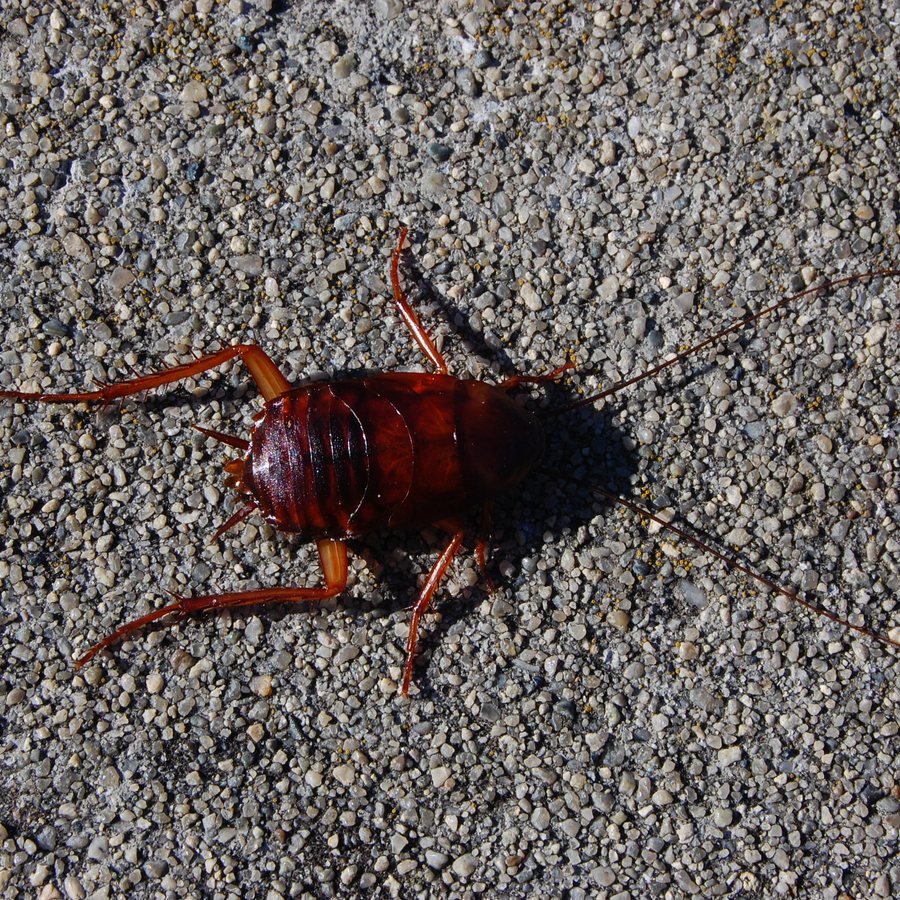
American cockroach, the large reddish-brown roach that comes up Lancaster drains

Cockroach control in Lancaster, TX covers two very different roaches. German cockroaches, small, tan, and fast-breeding, live entirely indoors in the warm, humid harborage of kitchens and baths, hiding behind appliances and under sinks. Then there's the American cockroach, the big reddish-brown one Texans call a waterbug or palmetto bug. It breeds outdoors in sewers, storm drains, mulch, and water meter boxes, and when a North Texas summer bakes the ground or a heavy rain floods it, it comes inside, up through floor drains and plumbing, and through the cracks a shifting clay slab has opened. Both contaminate surfaces and trigger asthma and allergies. An exterminator runs a bait-led program indoors and treats the harborage and entry points outside.

German roaches vs. the big ones

German cockroaches are the indoor breeders. They pack by day into tight, warm cracks: behind the fridge and stove, inside appliance housings, under the sink, in the gap where the counter meets the wall. A small start becomes a large population fast, and if you're seeing them in daylight it's already large.

The big reddish-brown roaches showing up at night near drains, garages, and the slab edge are American cockroaches. They breed outdoors and come in for water and cool, which is why they surge in the worst of the summer heat and again after a downpour. The two need different plans.

How cockroach treatment works

Indoors, control is bait-led: professional gel bait placed exactly where roaches harbor and travel, so they feed and pass it through the population, plus an insect growth regulator to stop breeding and sealing of gaps around plumbing and cabinets. For the American roaches, the exterminator treats drains, meter boxes, mulch, and slab-edge harborage, and seals the door sweeps, weep holes, and utility gaps they're using.

Fixing moisture and leaks, cutting clutter, and pulling mulch back off the slab keeps both from finding a foothold. On a slab home the cracks and expansion joints matter, they're the same doorways the termites use.

Seeing this at your Lancaster property?

Call and connect with an experienced local exterminator.

(469) 281-0188
How it works

The Lancaster Pest Plan

Four steps built around a slab home on shifting blackland clay, not a generic checklist.

Call (469) 281-0188
01 Inspect

A local pro walks the slab perimeter, expansion joints, weep holes, plumbing penetrations, attic and roofline, garage, and yard. Lancaster problems usually start at the foundation or the tree line, so that's where the inspection starts.

02 Resolve

Treatment matches the pest. Slow-acting bait for fire ants and German roaches. Trapping for roof rats. A continuous termiticide barrier for subterranean termites. Harborage treatment for widows and bark scorpions. Not one spray for everything.

03 Prevent

Entry points get sealed: slab cracks, weep holes, door sweeps, roofline and vent gaps. Mulch comes back off the foundation, limbs come off the roof, standing water goes. The pests lose the route and the reason.

04 Maintain

North Texas barely gets a winter, so pressure returns. Scheduled visits refresh the exterior barrier, re-check breeding sites and monitors, and catch a new ant trail or rodent sign before it becomes an infestation.

FAQ

Cockroach Control questions

What are the big roaches coming up my drain?

Almost always American cockroaches, what Texans call waterbugs or palmetto bugs. They breed outdoors in sewers, storm drains, mulch, and meter boxes and come inside for water and cool, especially in the peak of summer heat or right after a heavy rain. They're treated at the exterior harborage and entry points, not with indoor gel bait alone.

Why do German roaches keep coming back?

Sprays scatter them and rarely reach the harborage. Bait-led treatment that reaches where they hide, plus a growth regulator and sealing the gaps around plumbing and cabinets, is what breaks the cycle.

Is roach treatment safe for kids and pets?

Yes. Gel baits and growth regulators are placed in cracks and hidden voids rather than open surfaces, which keeps exposure low. Your exterminator will explain any short prep.

Talk to a local pro

Need cockroach control in Lancaster?

Describe what you're seeing and where. Call now and connect with an experienced local exterminator who works southern Dallas County.

Tap to call (469) 281-0188