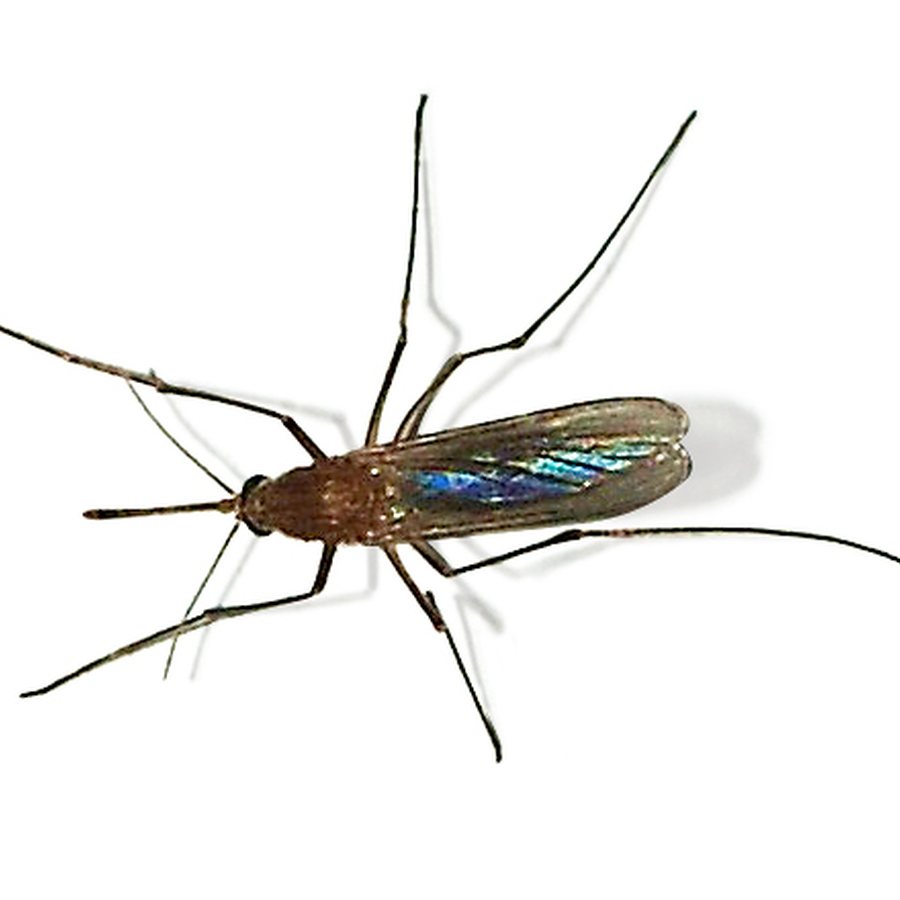
Mosquito control in Lancaster, TX is a long-season job. The Ten Mile Creek and Bear Creek corridors, the low spots that hold water after a North Texas downpour, and months of heat and humidity give mosquitoes a productive run from spring well into fall. West Nile virus is a standing concern across Dallas County, carried mainly by Culex mosquitoes that breed in stagnant, organically rich water, storm drains, clogged gutters, neglected pools. The aggressive daytime biter with striped legs is the Asian tiger mosquito, and it breeds in containers so small you'd never notice them. Most of the mosquitoes biting you were born within a couple hundred feet of your door. An experienced local exterminator cuts the breeding sites and treats where adults rest.
Where they actually come from
Adults spend the heat of the day resting in cool, shaded, humid cover: under the deck, in dense shrubs and ivy, along a fence line, in tall grass, beneath the porch. They breed in standing water, and for some species a bottle cap's worth is enough. A week is all it takes for eggs to become biting adults.
So a treatment that ignores your gutters, planter saucers, tarps, tires, birdbath, and the low spot behind the garage will disappoint. The creek and the humidity set the season; your yard supplies the nursery.
How mosquito treatment works
The exterminator walks the property to find and eliminate or treat breeding sites, then applies a residual barrier to the shaded resting areas, the undersides of leaves, dense shrubs, fence lines, and under decks and porches, where adults wait out the day. Where water can't be drained, a rain barrel or a persistent low spot, larvicide is used instead.
Because adults keep flying in from the neighborhood, mosquito control works best on a recurring schedule through the season, with the barrier refreshed as it weathers and breeding sites re-checked every visit.
Call and connect with an experienced local exterminator.