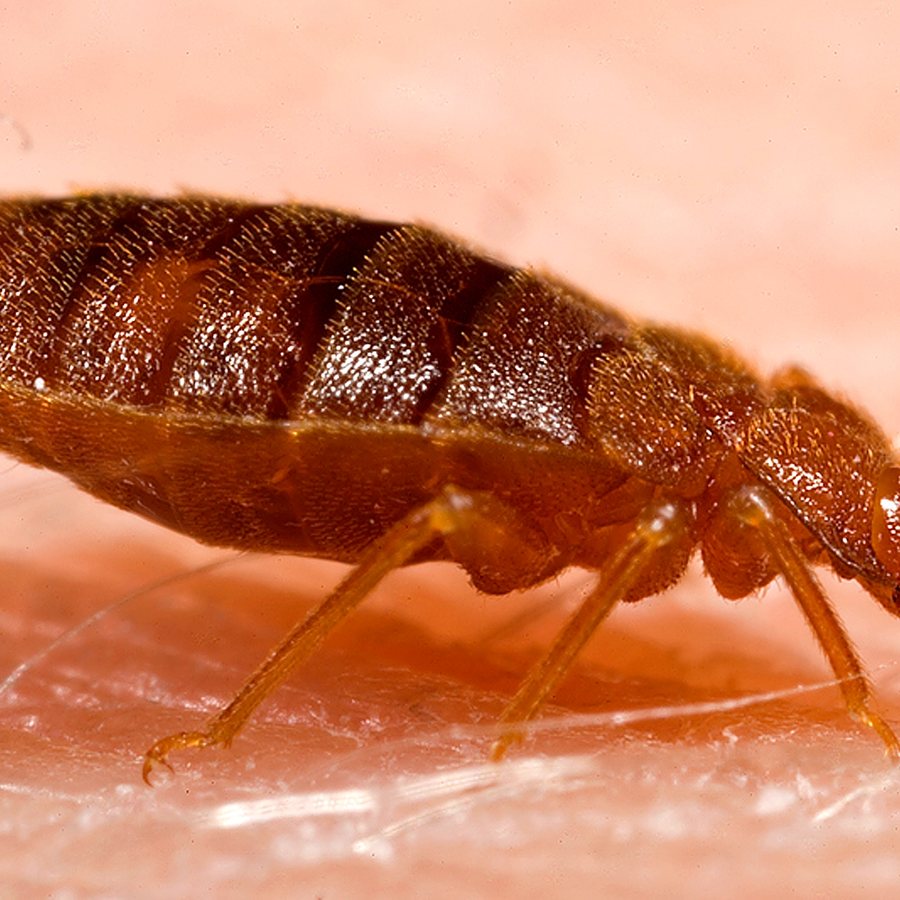
Bed bug treatment in Lancaster, TX matters because bed bugs travel. They hitchhike home on luggage, used furniture, and guests, and the DFW metroplex moves a lot of people. In an apartment or a divided rental they spread unit to unit along wall voids, outlets, and baseboards. They hide in mattress seams, box springs, headboards, nightstands, and the gap where carpet meets baseboard, then feed at night and leave itchy bites, rust-colored spots, and dark fecal specks. Because they spread, half-measures rarely work. An experienced local exterminator inspects, confirms the harborage, and treats it completely.
How to know it's bed bugs
Look for small itchy bites in a line or cluster, tiny rust-colored blood spots and dark fecal specks along mattress seams and box-spring edges, shed skins, and in a heavier infestation a faint sweet, musty odor. A flashlight check of the mattress seam, headboard, and the gap where carpet meets baseboard usually tells the story.
In an apartment or duplex, if one unit has bed bugs the neighbors are worth checking, since the bugs travel along shared walls, outlets, and baseboards.
How bed bug treatment works
There are two proven routes. Whole-room heat treatment raises the space above the lethal threshold for bugs and eggs in a single day, which suits a furnished unit where you can't discard everything. Targeted treatment combines a thorough vacuum, steam on seams and cracks, and residual products placed exactly where the bugs harbor, usually across two or more visits spaced to catch newly hatched nymphs.
Either way, prep and follow-up decide the outcome: launder on high heat, cut clutter, isolate the bed, and let the exterminator re-check. Skipping the follow-up visit is the most common reason a treatment 'fails.'
Call and connect with an experienced local exterminator.